Best Speed Cube for Beginners 2026: Your First Cube Shouldn't Be the Wrong One

* Disclosure: This post contains affiliate links. We may earn a commission at no extra cost to you.
best speed cube for beginners 2026, best beginner speed cube, first speed cube to buy
The worst thing you can do as a new speedcuber is buy a $5 Rubik's brand cube.
The second worst is buying an $85 GAN flagship before you can feel the difference.
This guide is for everyone in between — people who want to improve, know magnets matter, and don't want to overspend on a cube they'll outgrow or underspend on one that holds them back.

What Makes a Good Beginner Speed Cube?

Three things matter for beginners:

1. Magnetic — even weak magnets help align layers during imprecise early turning. Non-magnetic cubes make learning harder.
2. Forgiving corner cutting — beginners overshoot turns. A cube that can cut 45°+ without locking recovers from those mistakes.
3. Price under $30 — your first cube will be replaced. Don't spend flagship money until you've developed a preference for feel.

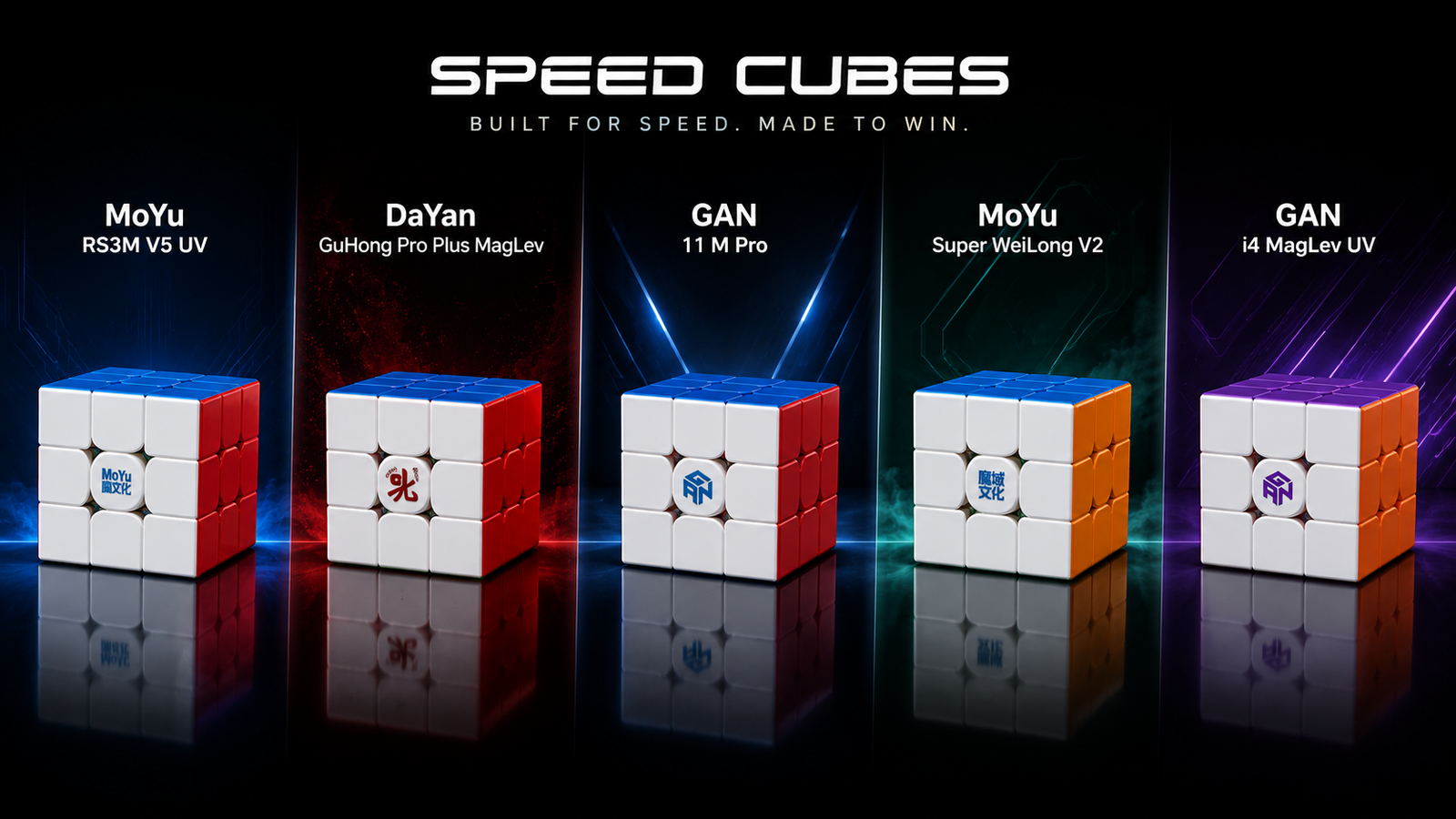
The 5 Best Beginner Speed Cubes 2026

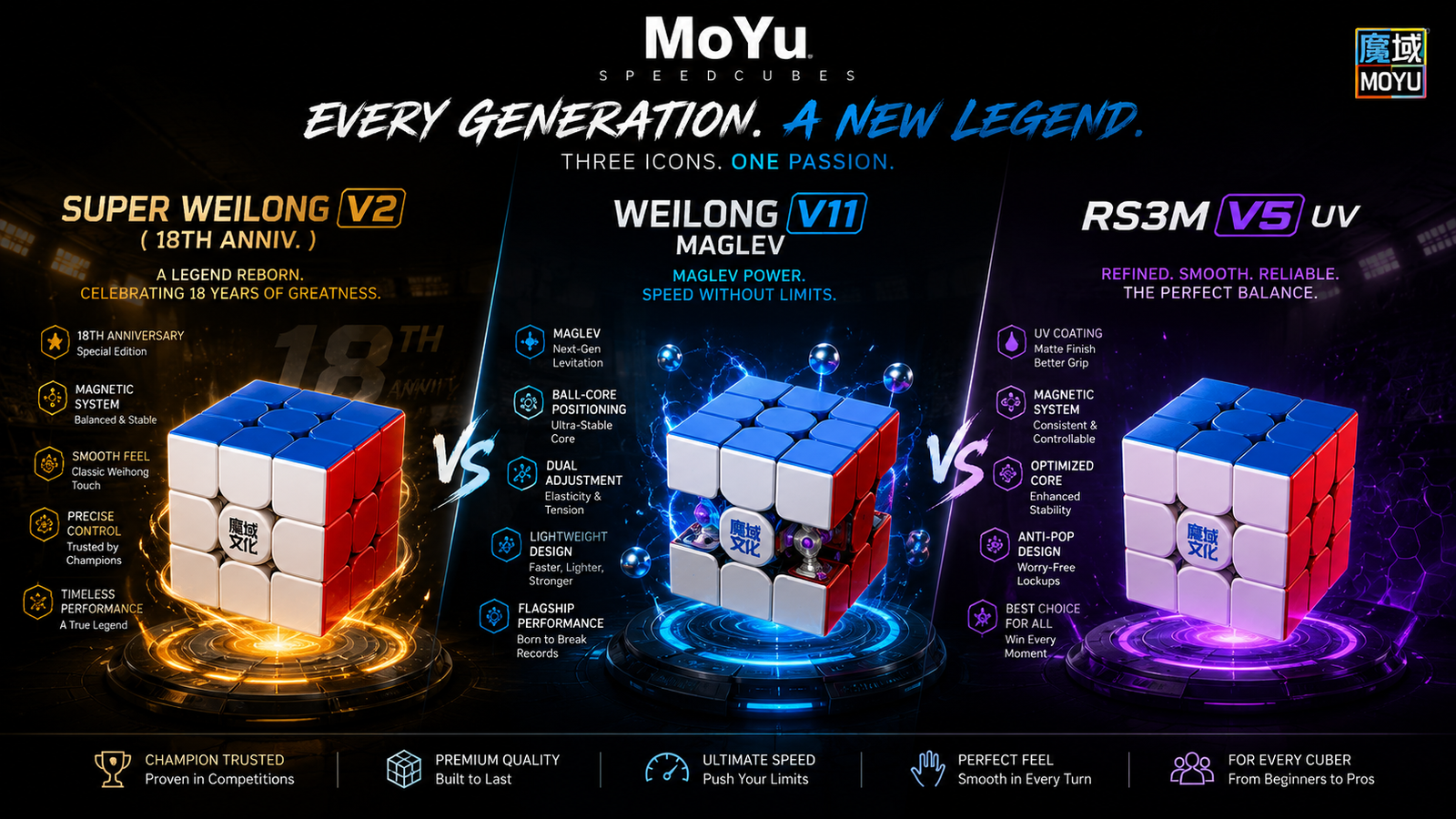
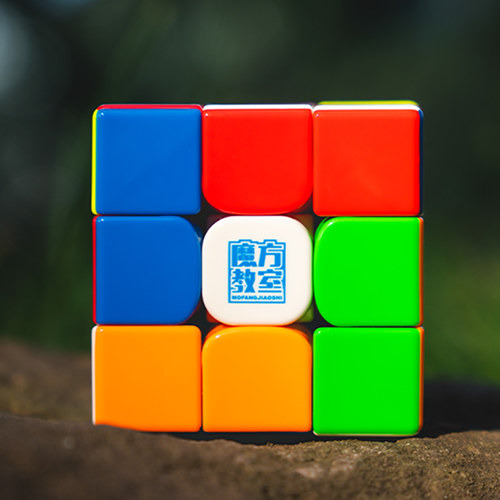
MoYu RS3M V5 UV — Best Overall Beginner Cube

Price: ~$22
- Ball-core UV version of MoYu's most popular cube
- Adjustable magnets — dial in feel as you improve
- Forgiving corner cutting, grippy UV coating
- Best for: All beginners — this is the safe recommendation
best moyu speed cube, Moyu RS3M V5 UV, Cubic School best speed cube for beginners 2026, best beginner speed cube, first speed cube to buy
The adjustable magnet system alone justifies this cube for beginners — personal preference on magnetic snap varies enough that having the option to dial it in matters from the first week.

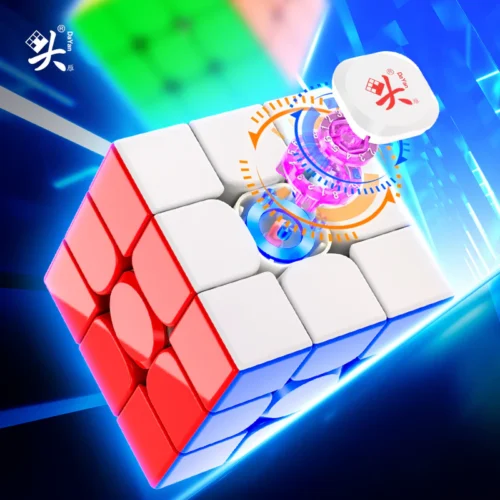
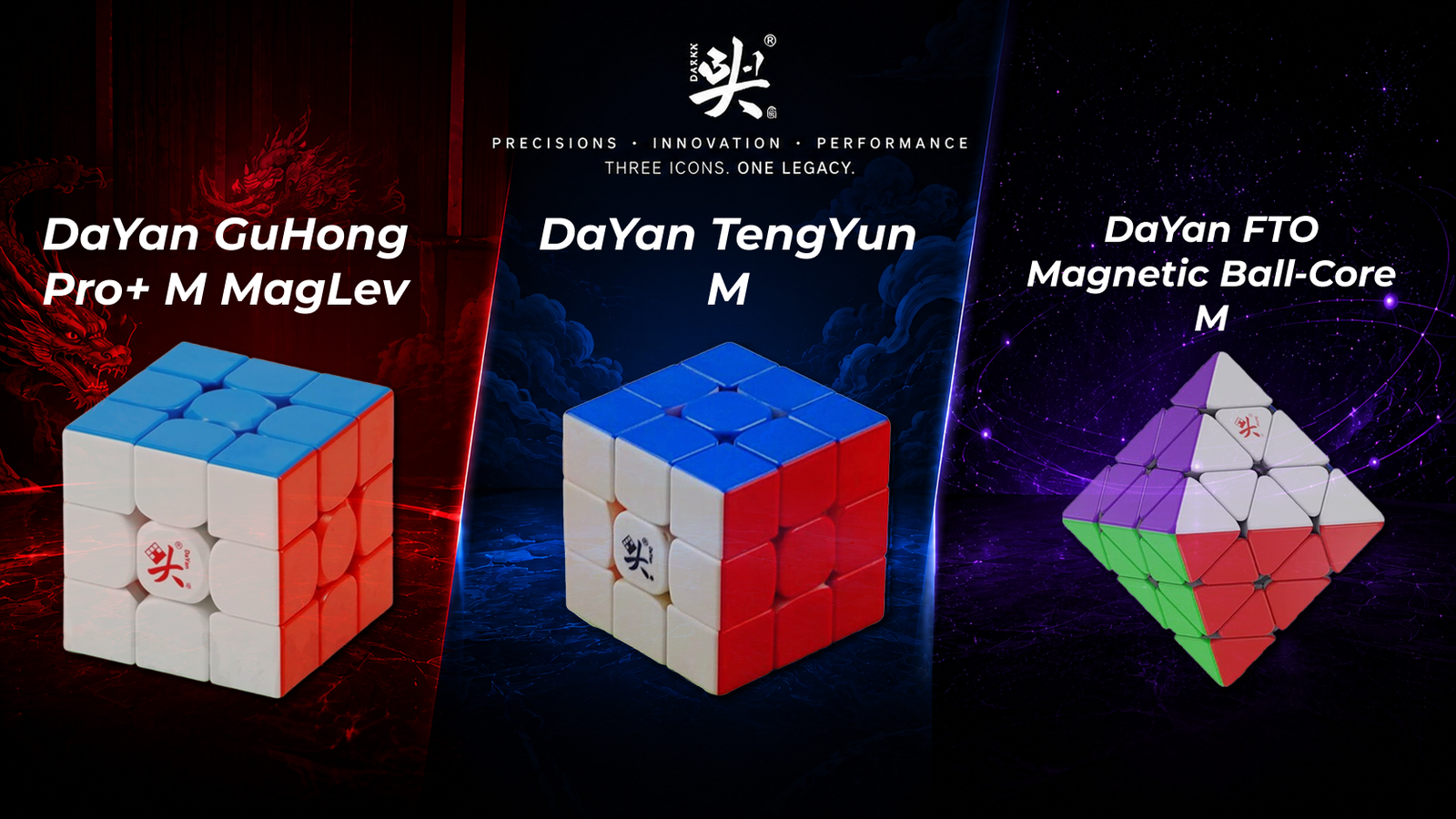
DaYan GuHong Pro Plus MagLev — Best for Controlled Turning Style

Price: ~$22
- 94-magnet setup, stable and predictable
- Lower lock-up frequency than most cubes at this price
- Best for: Beginners who naturally turn with control rather than speed
best speed cube for beginners 2026, best beginner speed cube, first speed cube to buy, dayan guhong pro+ maglev
At $21.99, this is the cube we'd give someone making their first switch from a non-magnetic setup — stable, predictable, and no unpleasant surprises mid-solve.

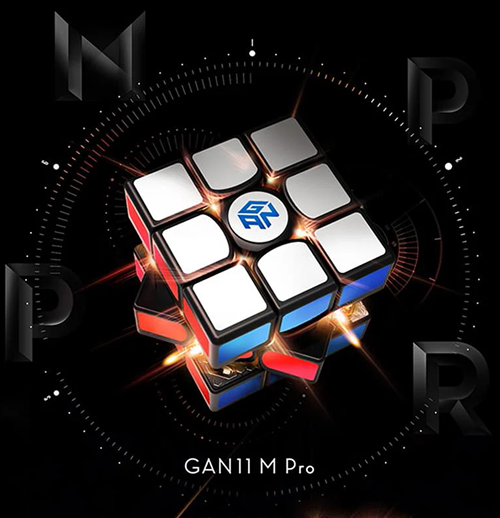
GAN 11 M Pro — Best Beginner GAN Entry Point

Price: ~$35
- Traditional (non-MagLev) GAN — firm, reliable magnetic snap
- GAN ecosystem entry: same core system as flagships
- Best for: Beginners who want to start in the GAN ecosystem
best speed cube for beginners 2026, best beginner speed cube, first speed cube to buy, Gan 11 m pro
The traditional magnet setup is well-tuned — firm enough to align layers reliably without slowing fast turning, and the right entry point into GAN without overspending.

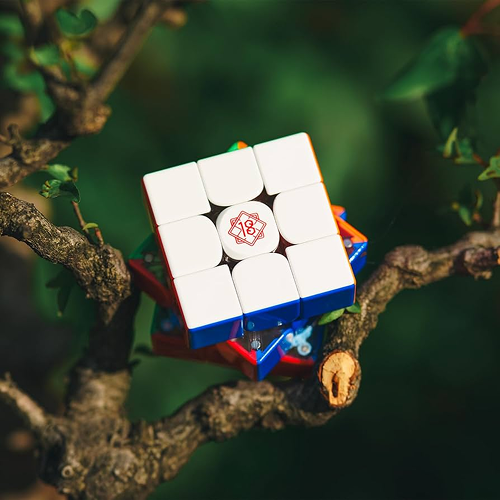
MoYu Super WeiLong V2 — Best Step-Up from Beginner

Price: ~$38
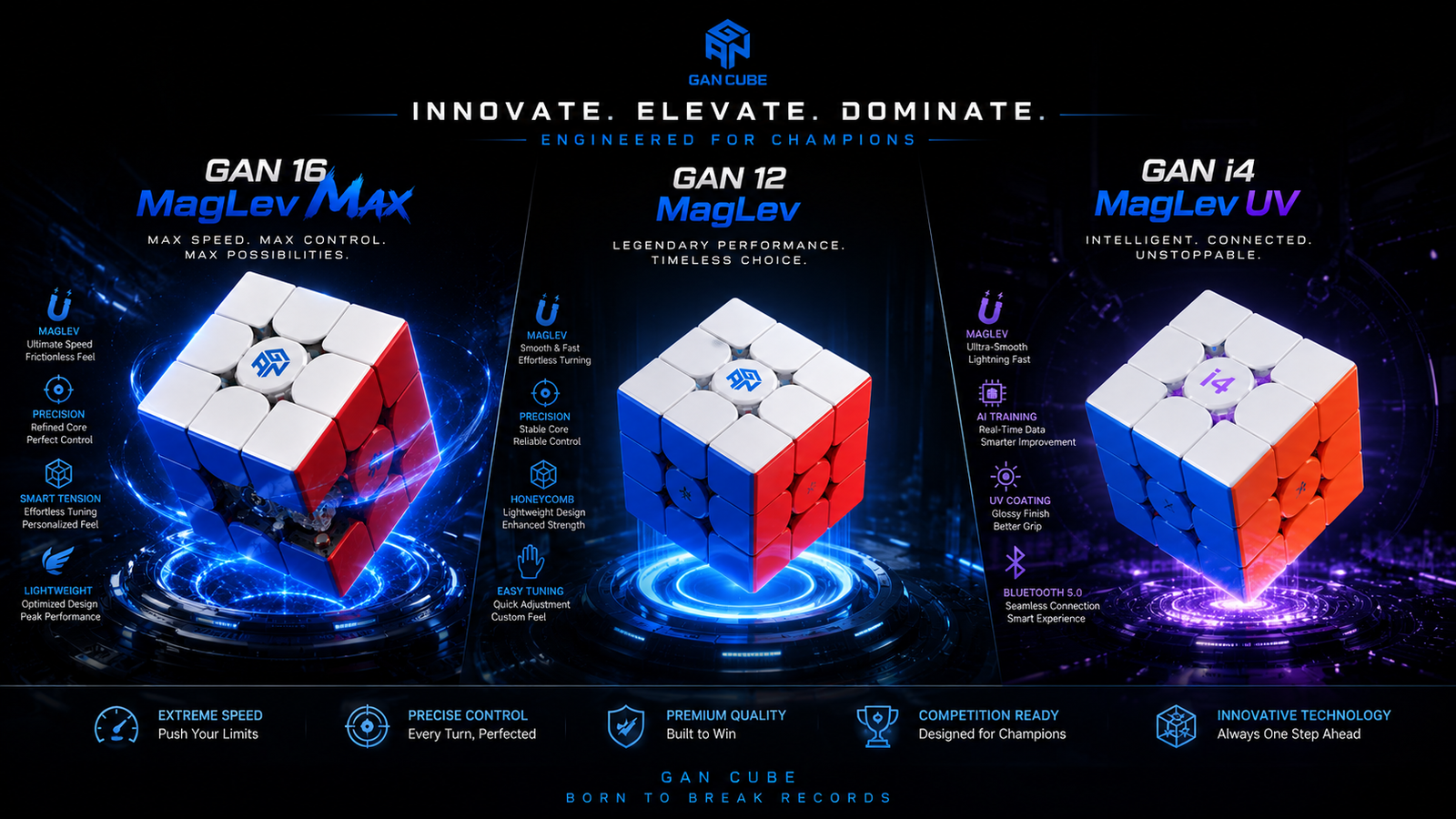
- 20-Ball MagLev core, 18th Anniversary Edition
- Dual-adjust tension — grows with your skill level
- Best for: Beginners who progress quickly and want one cube for the next 12 months
best moyu speed cube, moyu super weilong v2 18th anniversary edition, Cubic School, best speed cube for beginners 2026, best beginner speed cube, first speed cube to buy
The dual-adjustment system means this cube grows with your solving — you won't outgrow it as quickly as a standard beginner cube.

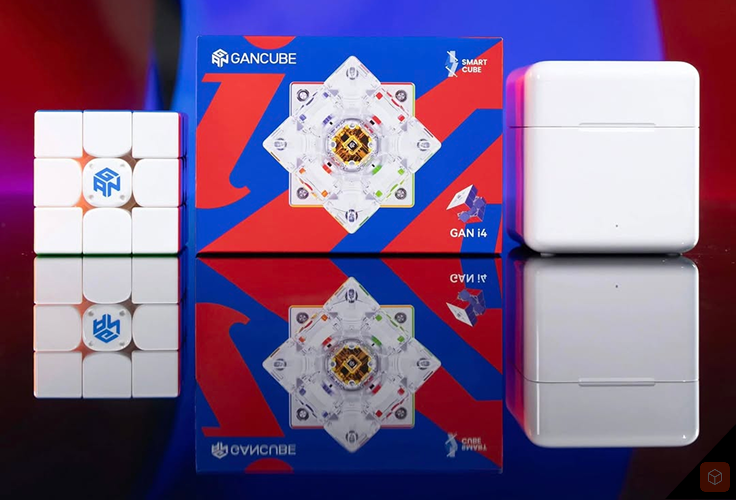
GAN i4 MagLev UV — Best Smart Cube for Beginners Who Want to Track Progress

Price: ~$55
- Bluetooth, tracks F2L / OLL / PLL splits via app
- Good for beginners who respond well to data and want to identify where they're losing time
- Best for: Data-driven learners
best speed cube for beginners 2026, best beginner speed cube, first speed cube to buy, gan i4 maglev uv
The Cube Station app tracking your solve splits down to the millisecond is genuinely useful for identifying where time is being lost — and it doesn't feel like a compromise cube.

Quick Comparison Table

CubePriceFeelBest ForMagnets
MoYu RS3M V5 UV~$22Grippy / balancedAll beginnersAdjustable
DaYan GuHong Pro+~$22Stable / controlledControlled turners94-magnet dense
GAN 11 M Pro~$35Smooth / structuredGAN ecosystem entryTraditional
MoYu Super WeiLong V2~$38Smooth / dual-adjustFast improversMagLev 20-ball
GAN i4 MagLev UV~$55Smart / competition-feelData-driven learnersMagLev + Bluetooth
Cube
MoYu RS3M V5 UV
DaYan GuHong Pro+
GAN 11 M Pro
MoYu Super WeiLong V2
GAN i4 MagLev UV
Price
~$22
~$22
~$35
~$38
~$55
Feel
Grippy / balanced
Stable / controlled
Smooth / structured
Smooth / dual-adjust
Smart / competition-feel
Best For
All beginners
Controlled turners
GAN ecosystem entry
Fast improvers
Data-driven learners
Magnets
Adjustable
94-magnet dense
Traditional
MagLev 20-ball
MagLev + Bluetooth

What NOT to Buy as a Beginner

- A standard Rubik's brand cube— stiff, slow, no magnets, terrible corner cutting. Actively makes learning harder.
- A GAN 16 or MoYu WeiLong V11 flagship — at $55–$85, you're paying for features you can't yet feel the difference on.
- Any non-magnetic cube under $10 — in 2026, magnets are the standard. A cube without them is a step backwards.

FAQ

Q: What is the best beginner speed cube in 2026?
A: The MoYu RS3M V5 UV (~$22) is the best beginner speed cube in 2026. It has adjustable magnets, forgiving corner cutting, and a UV coating that holds up to heavy use.

Q: Should a beginner buy a magnetic speed cube?
A: Yes — always. Magnetic cubes help beginners align layers during imprecise early turning. Non-magnetic cubes make learning to solve consistently significantly harder.

Q: Is GAN good for beginners?
A: GAN makes excellent cubes, but their flagships ($55–$85) are wasted on beginners. The GAN 11 M Pro (~$35) is the sensible entry point into the GAN ecosystem.

Q: How much should I spend on my first speed cube?
A: $15–$35 is the right range. Anything under $15 will likely be non-magnetic. Anything over $35 is paying for performance advantages that require developed technique to notice.

cubic school logo
Ali KH — Founder, Cubic School
I started Cubic School because I couldn't find a single review site that took all three of my obsessions seriously: 3D printing, speedcubing, and building brick sets. I've been printing since the early FDM days, competed casually in speedcubing, and have built more LEGO Technic and CaDA sets than my shelves can reasonably hold. Every product featured on this site is one I've researched, handled, or run through its paces myself.
No manufacturer sends us free units in exchange for positive coverage — what you read here is what I actually think.
Related Posts