* As an Amazon Associate, We earn from qualifying purchases. This page contains affiliate links, and we may earn a commission at no extra cost to you.
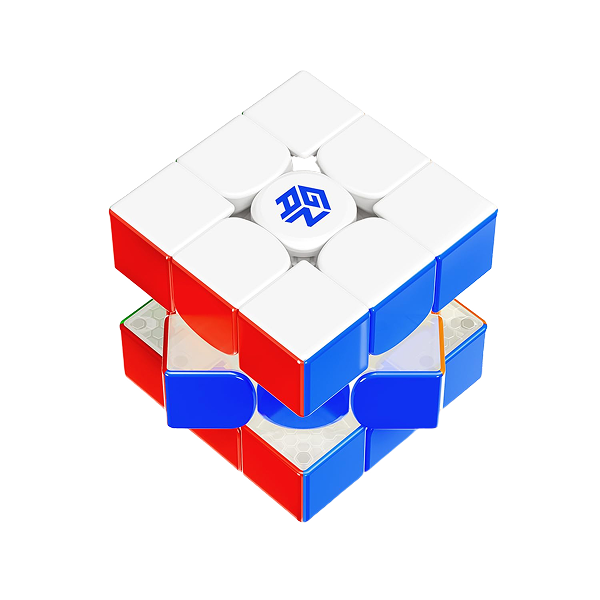
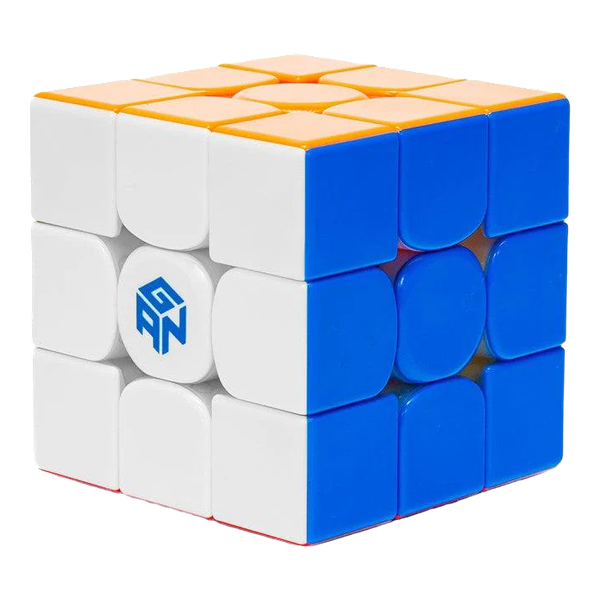
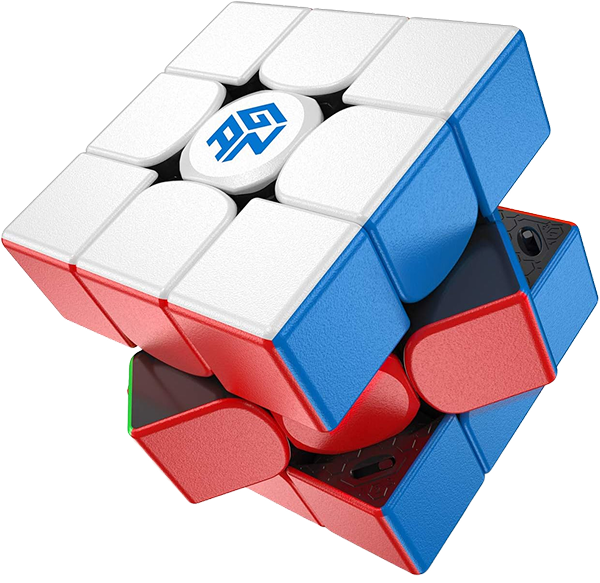
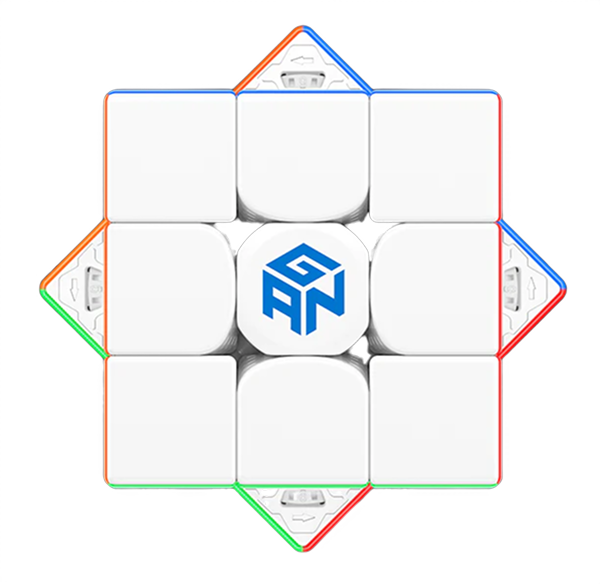
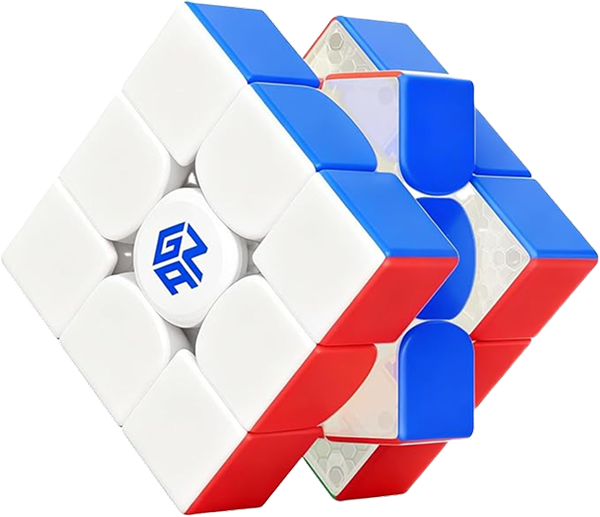
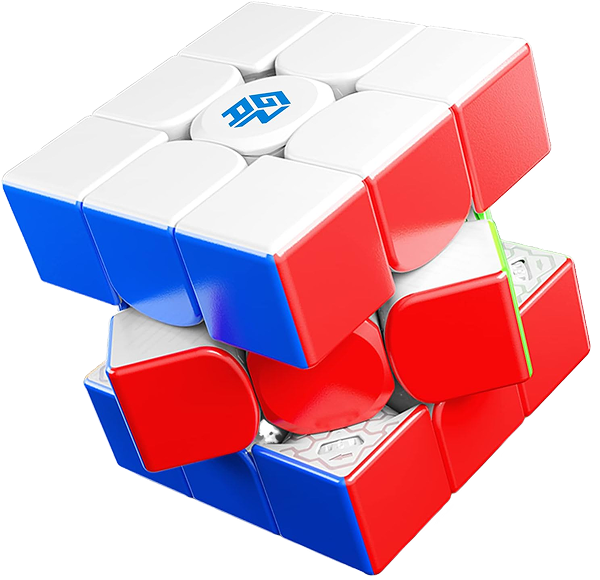
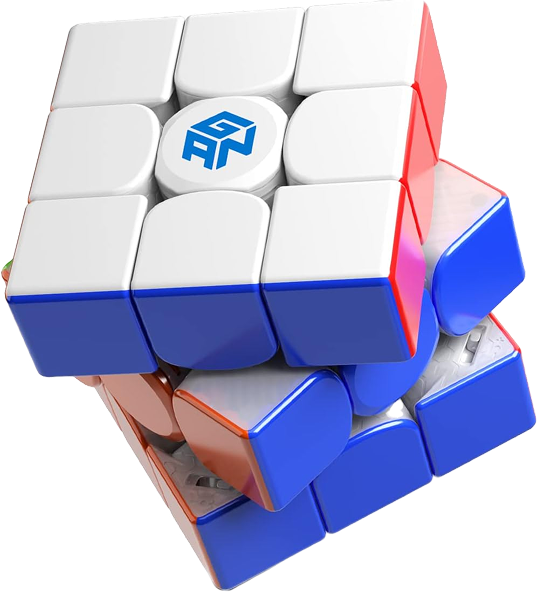
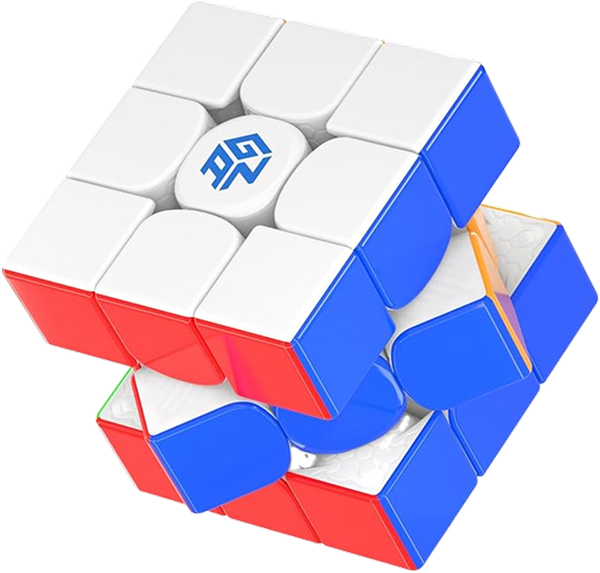
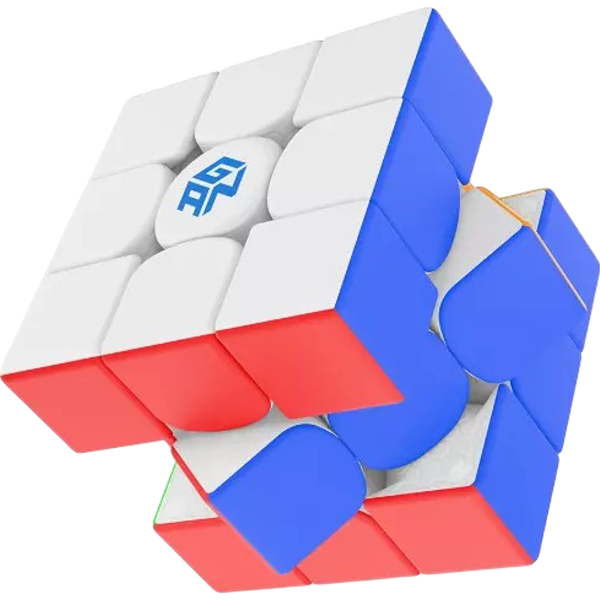
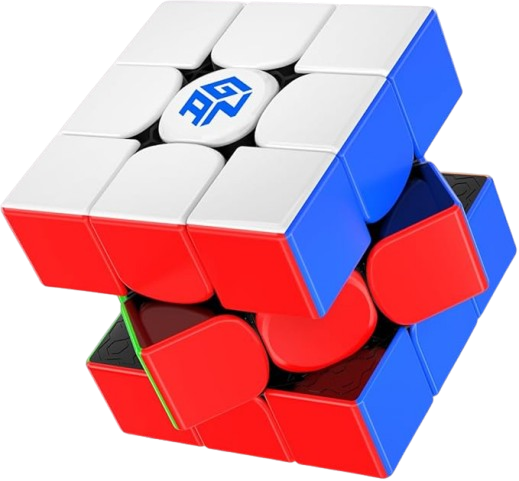
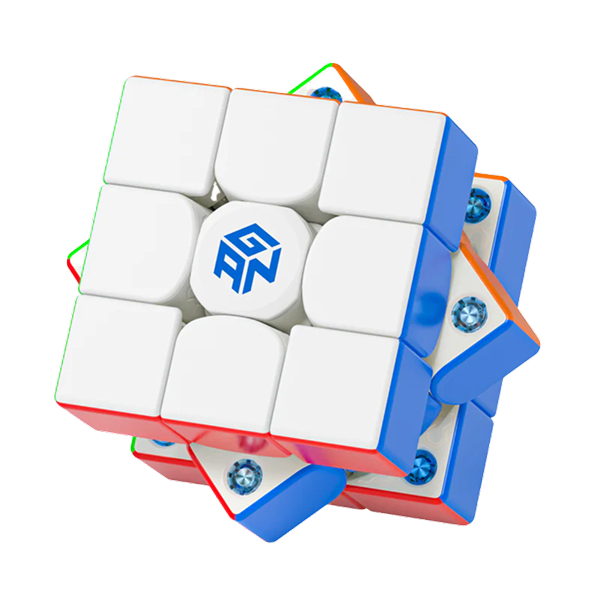
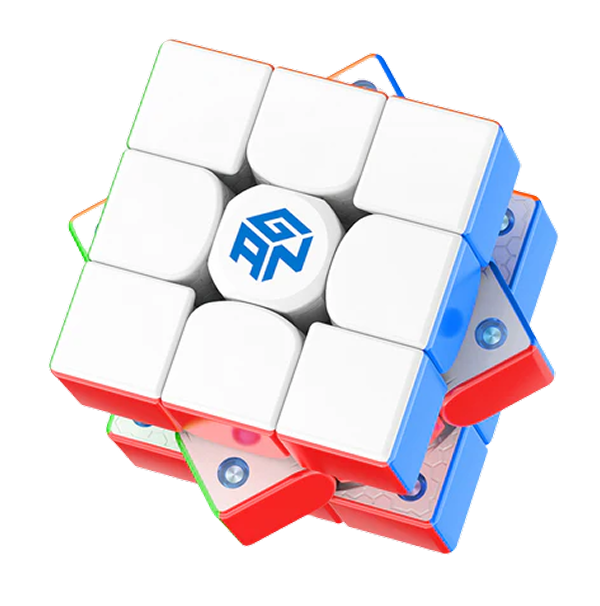
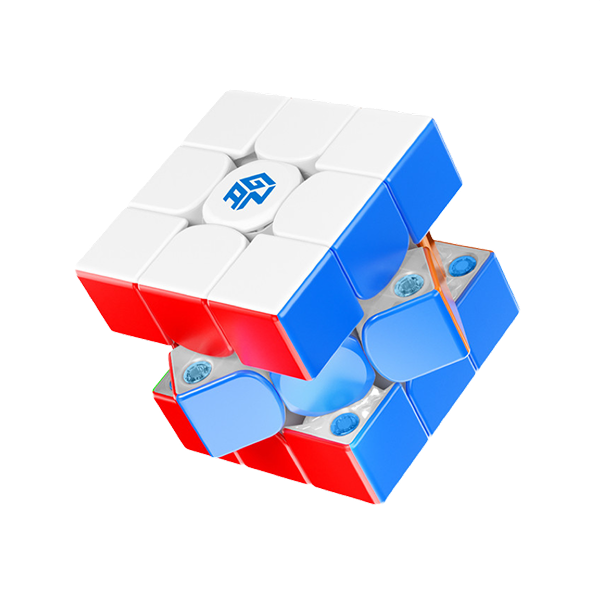
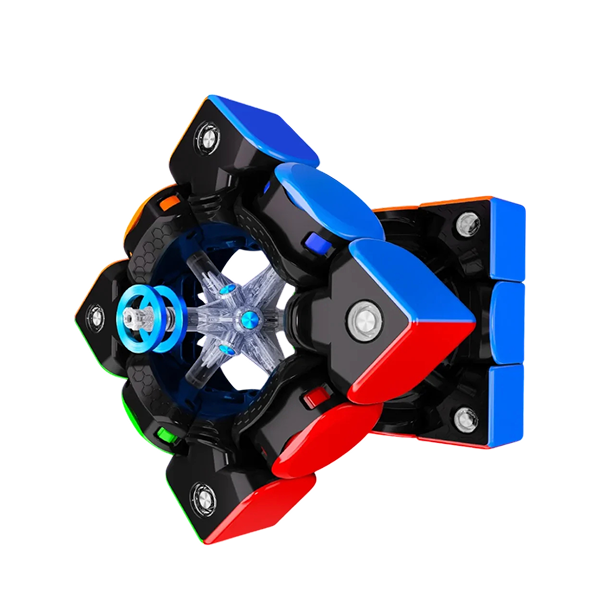
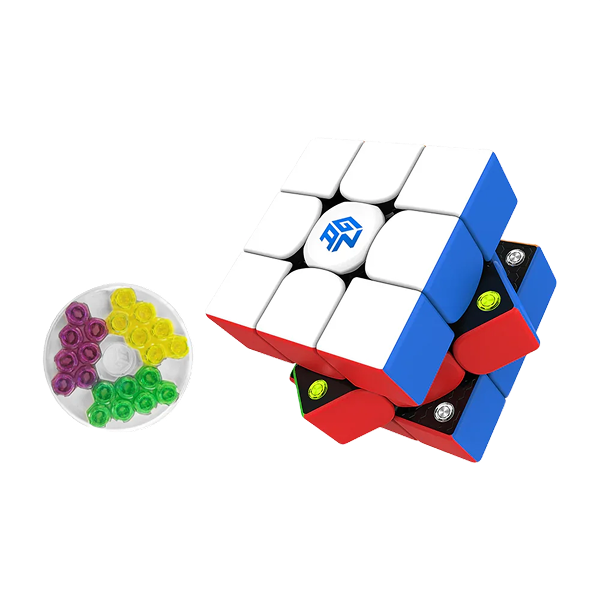
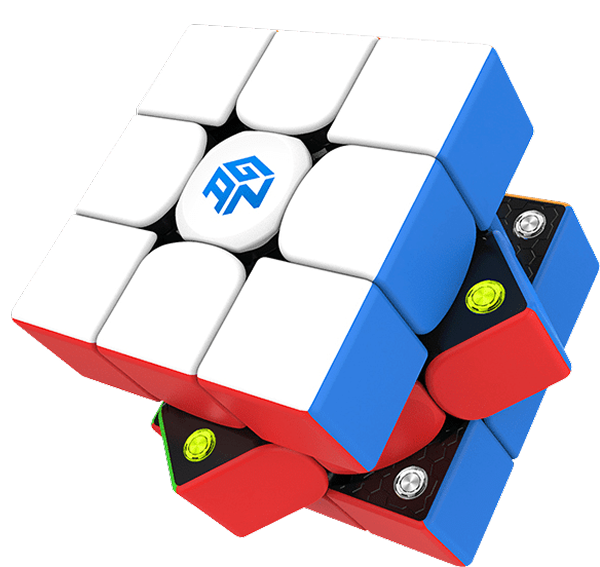
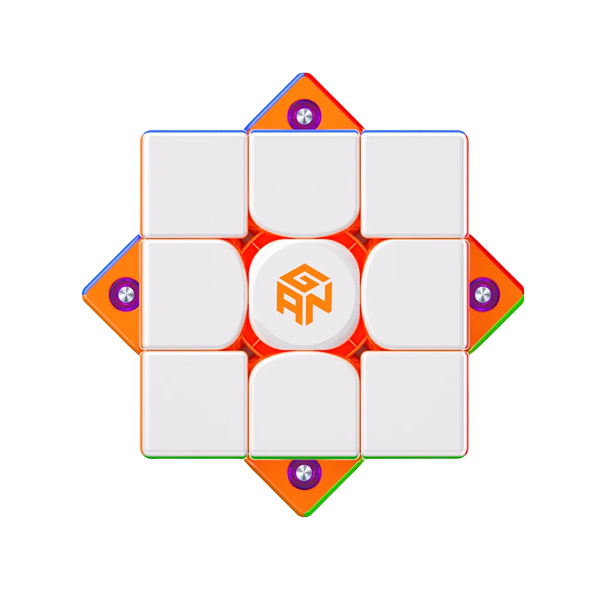
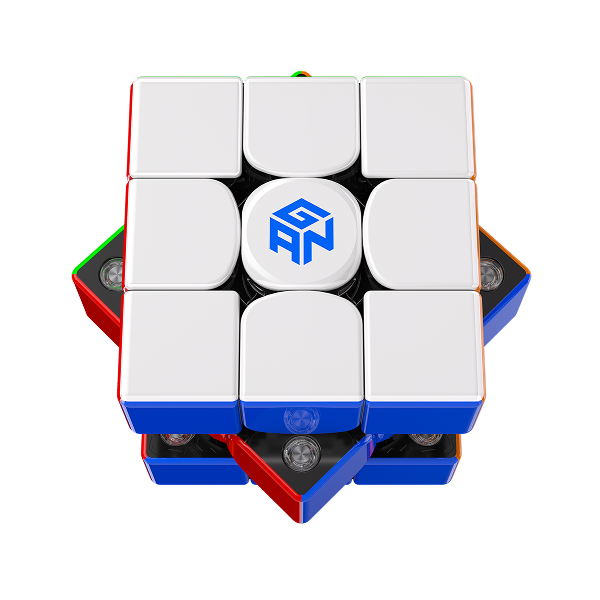
GAN has produced more world-record speedcubes than any other brand over the past five years. Their MagLev system — used across the 16, 14, 13, and 12 series — removes the mechanical contact points that cause inconsistency in traditional magnet setups, giving elite solvers a precision edge that's genuinely felt rather than just marketed.
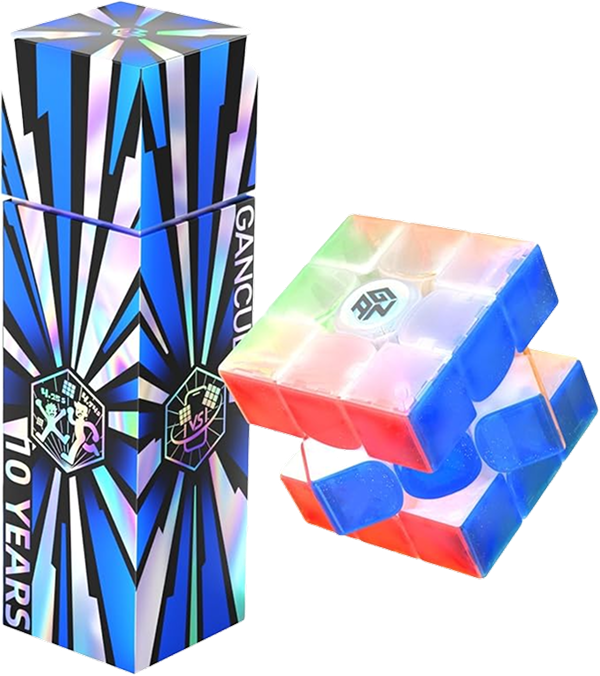
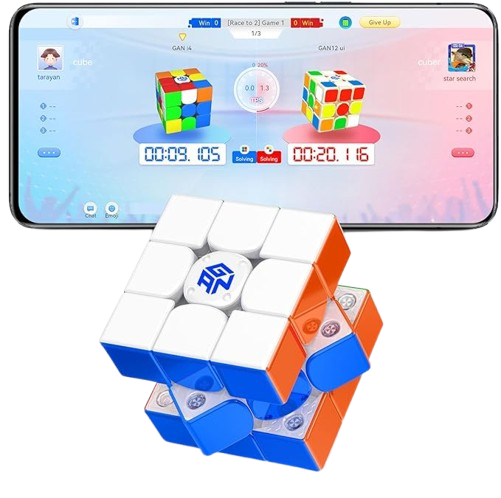
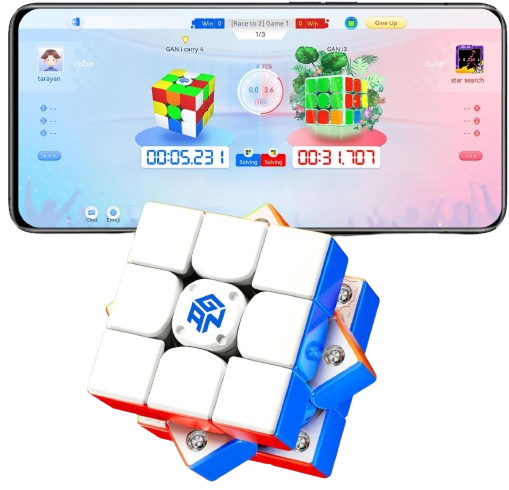
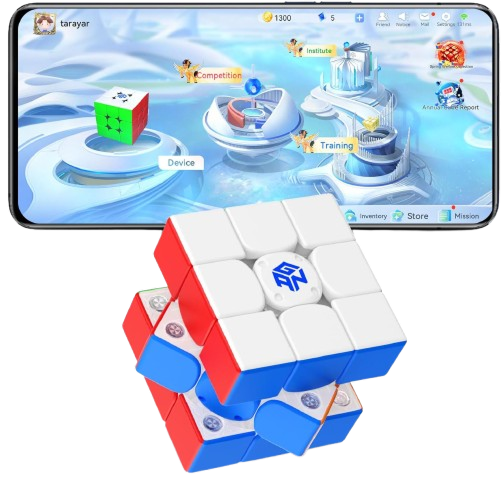
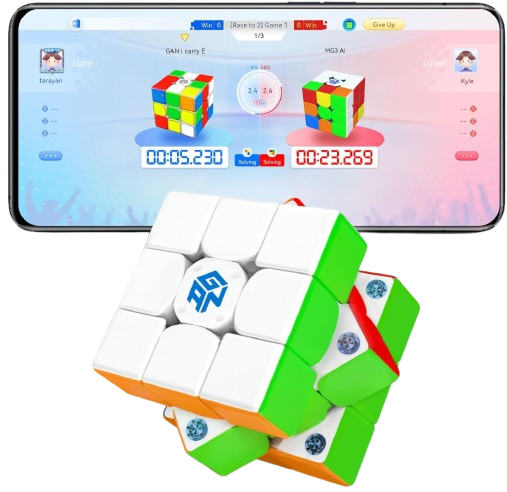
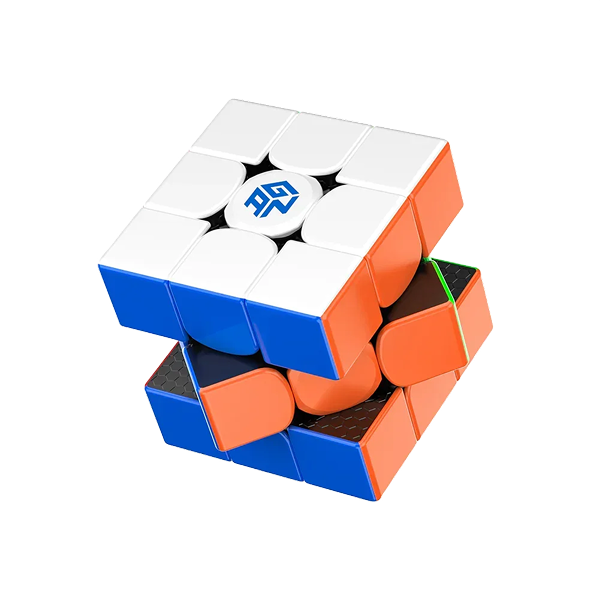
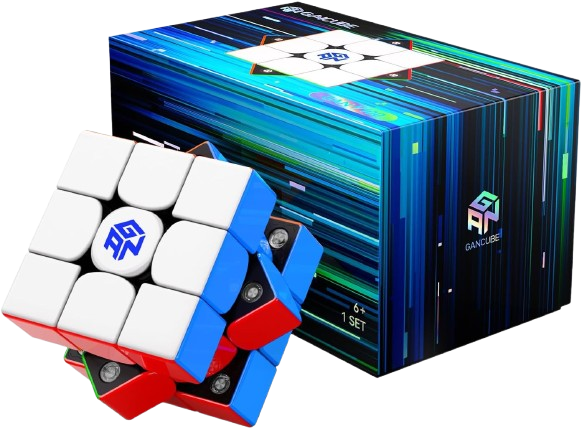
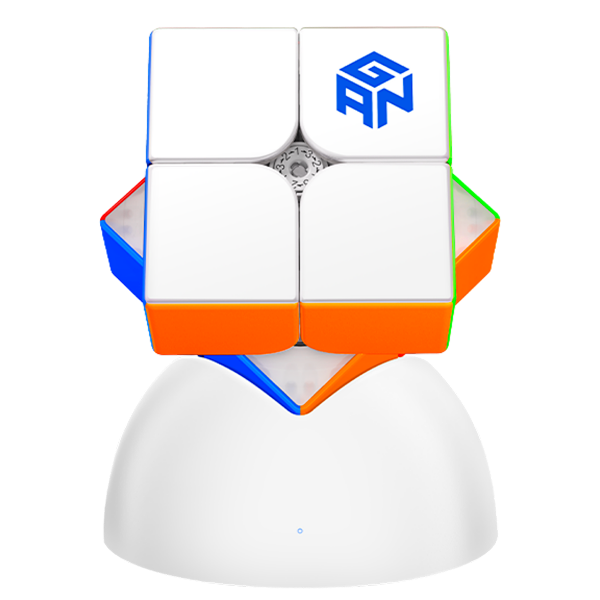
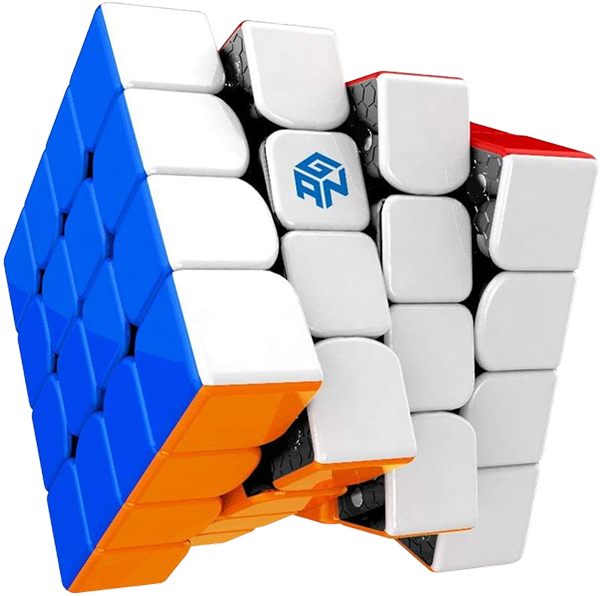
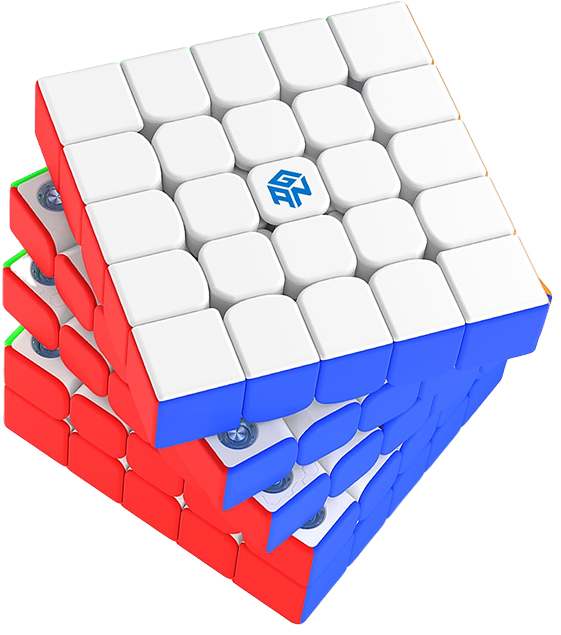
The lineup on this page splits into three groups. The MagLev flagships (GAN 16, 14, 13, 12) are built for competitive solvers chasing personal bests — expect to pay $40–$85 depending on the model and finish. The Smart Cube series (i4, i Carry) connects via Bluetooth to track your solve splits down to the millisecond. The Classic 3x3 range (356 series) offers GAN's engineering at a lower price point for everyday practice.
New to GAN, or deciding between GAN and MoYu? Read our full GAN vs MoYu comparison .
The short version: GAN rewards light, precise turning; MoYu is more forgiving and better value for most solvers under sub-15.
A: The GAN 11 M Pro. It uses GAN's traditional (non-MagLev) magnet system, which is well-tuned and reliable without the flagship price tag — the right entry point into the GAN ecosystem.
Q: What's the difference between GAN 16 and GAN 14?
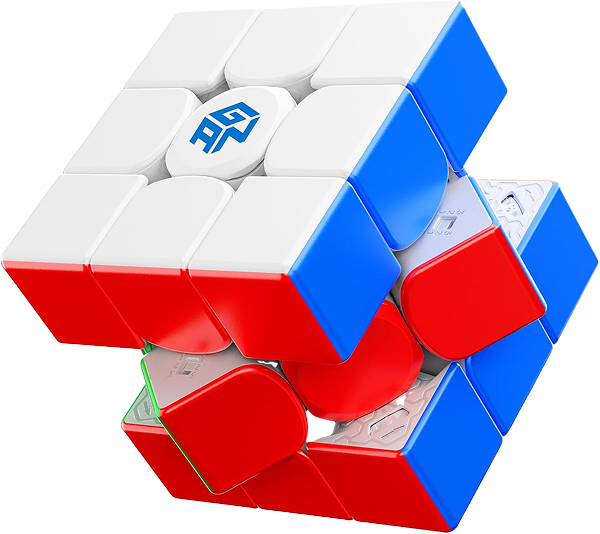
A: The GAN 16 MagLev MAX is GAN's current flagship with the most refined corner-cutting geometry. The GAN 14 MagLev Pro offers most of that performance at a meaningfully lower price — the better value pick for most solvers.
Q: Is GAN better than MoYu?
A: GAN's precision engineering rewards light, accurate turning and is preferred by many sub-12 competitive solvers. MoYu offers a broader price range and is more forgiving for forceful turning styles. Neither is objectively better — it depends on technique and budget.