* As an Amazon Associate, We earn from qualifying purchases. This page contains affiliate links, and we may earn a commission at no extra cost to you.
Creality has the widest 3D printer range of any brand on this site, spanning true budget machines to large-format professional printers.
Their open-platform philosophy means every machine here works with OrcaSlicer, Klipper, and most third-party upgrades — if you want to learn how 3D printing actually works rather than just press print and walk away, Creality is the better ecosystem.
Three machines anchor the current lineup.
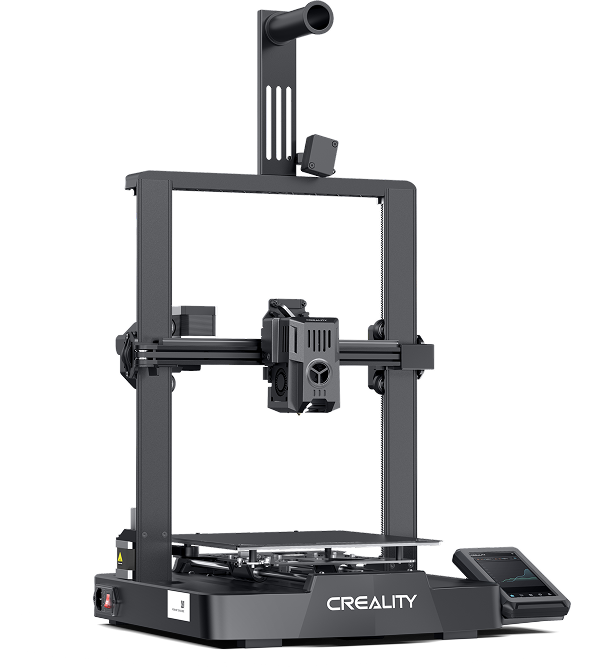
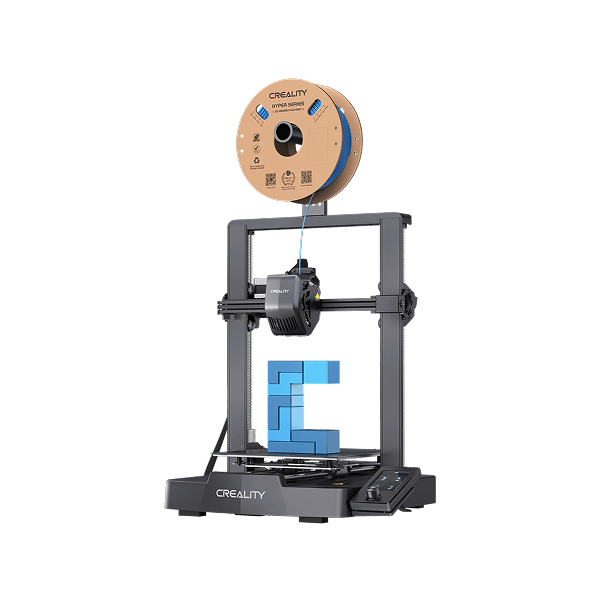
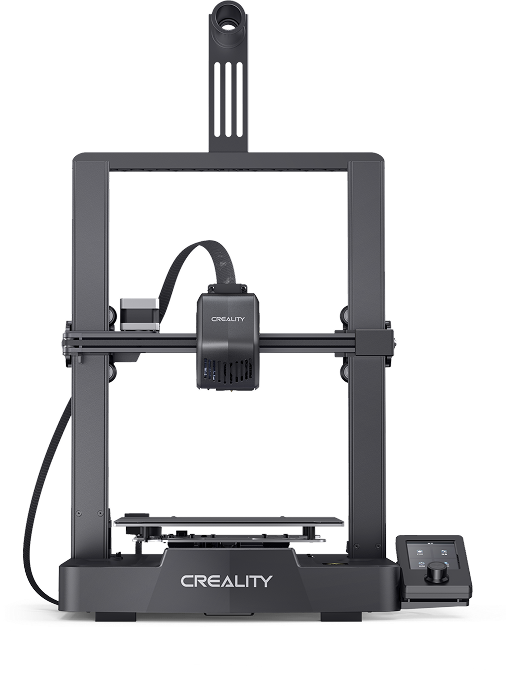
The Ender-3 V3 KE is the entry point — open-frame, auto-levelling, and the best machine on this page for learning the fundamentals.
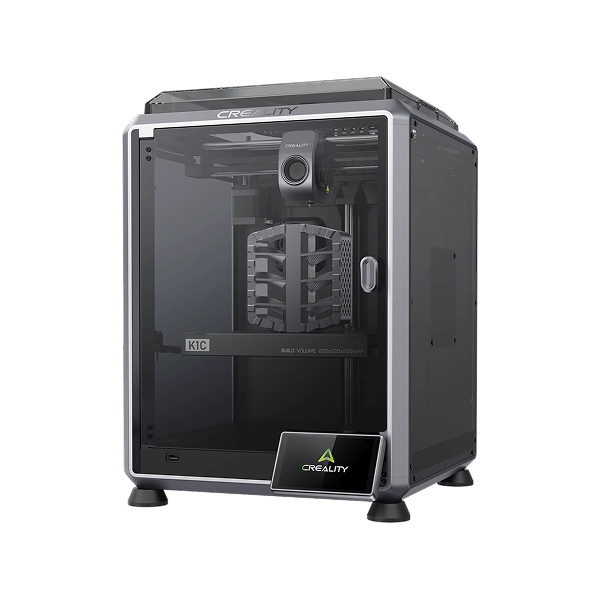
The K1C adds a hardened nozzle for carbon-fibre and engineering filaments, plus AI-assisted failure detection.
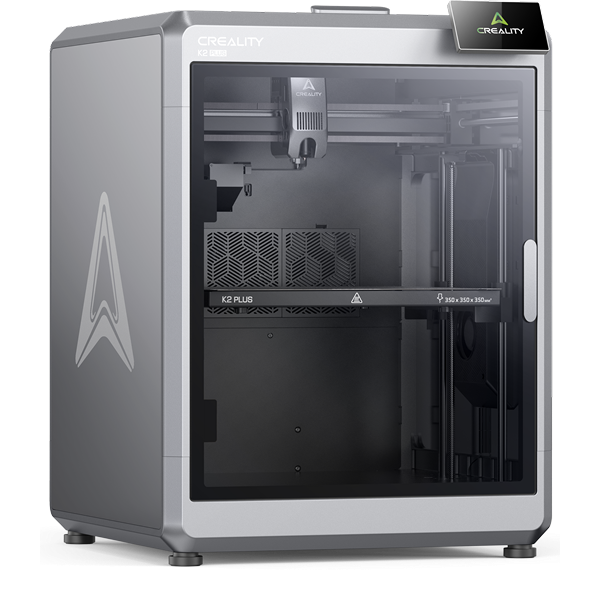
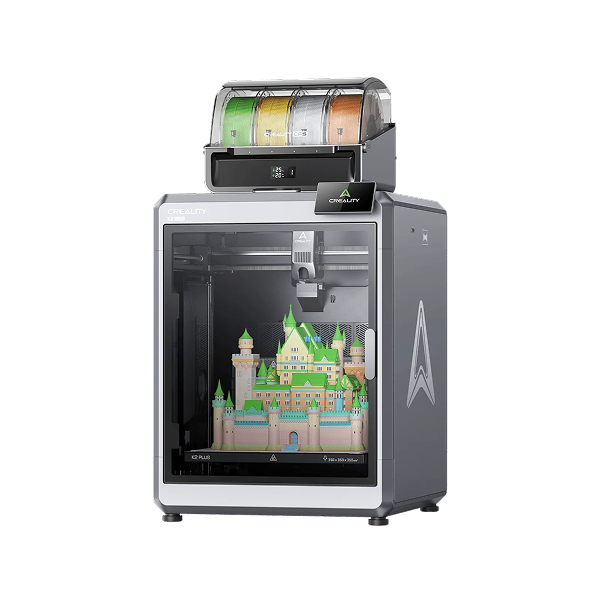
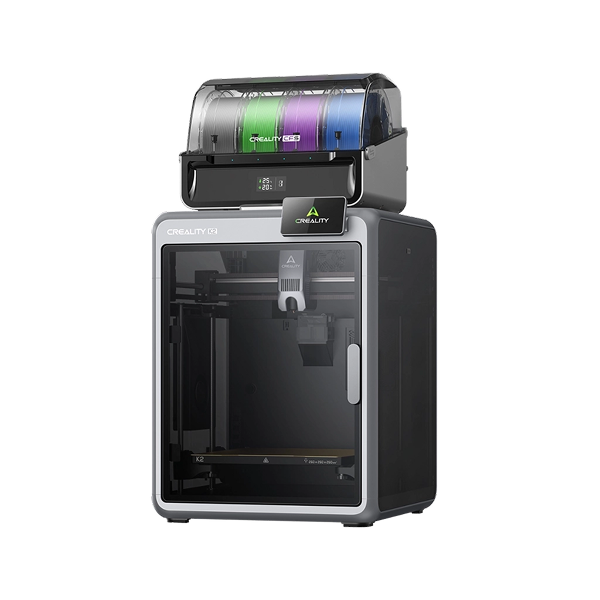
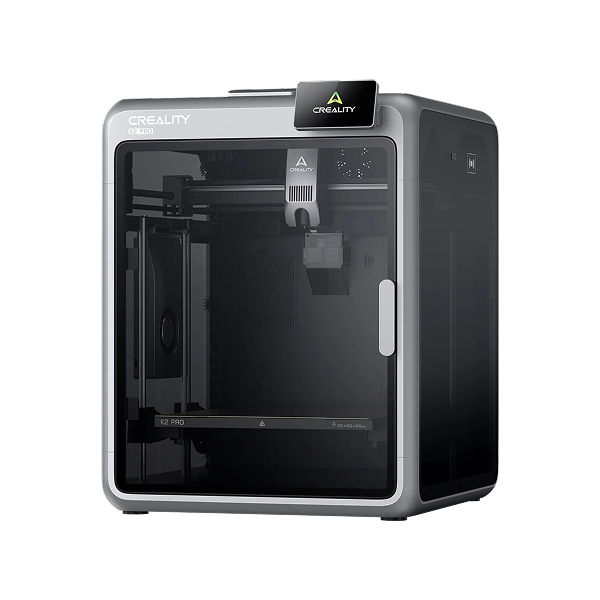
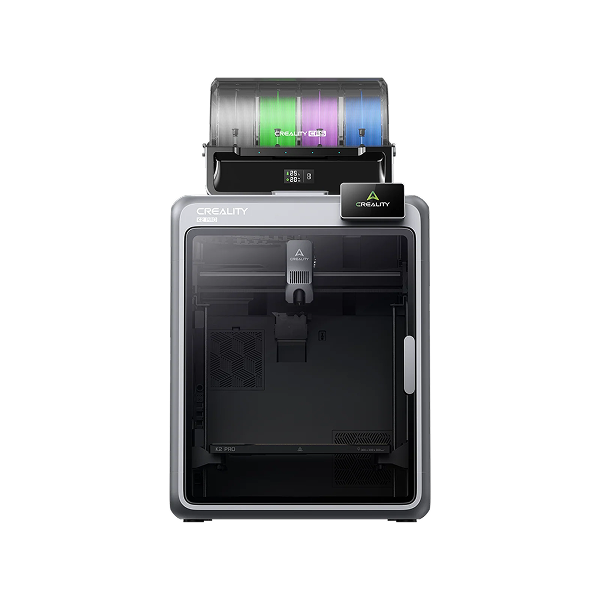
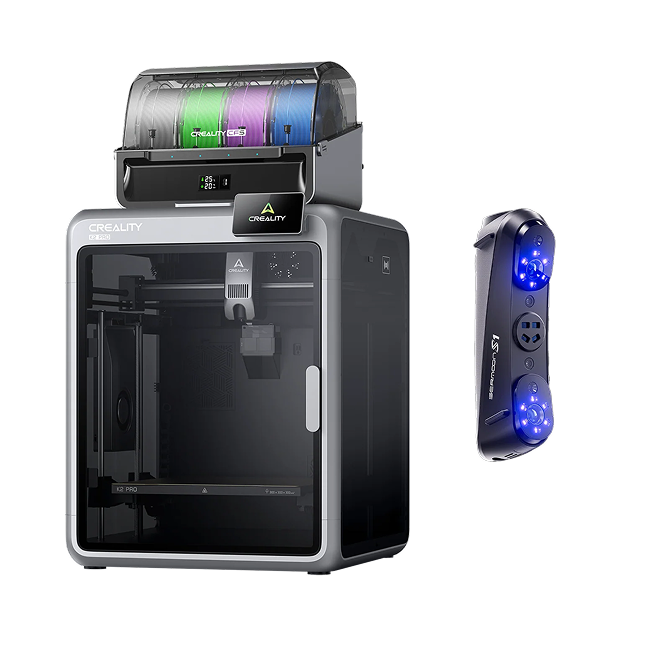
The K2 Plus is the flagship — a 350mm enclosed build volume with multi-material support that rivals machines twice the price.
Comparing Creality to Bambu Lab? Creality wins on price-to-capability ratio and large-format printing; Bambu Lab wins on out-of-box simplicity.
Q: What is the best Creality 3D printer for beginners?
A: The Ender-3 V3 KE. It teaches the fundamentals of 3D printing on an open-frame machine with auto-levelling, and is compatible with Klipper firmware for advanced tuning as you progress.
Q: Is the Creality K1C good for engineering materials?
A: Yes — the K1C's hardened nozzle is specifically built for carbon-fibre reinforced and other abrasive engineering filaments that would wear out a standard brass nozzle.
Q: How does the Creality K2 Plus compare to Bambu Lab's P1S?
A: The K2 Plus has a significantly larger build volume (350mm vs 256mm) and supports more simultaneous filament colours, while costing roughly the same. The P1S has a more refined out-of-box software experience.